End-to-end šifrování v psychoterapii: Jak chránit vaše osobní data při online sezeních
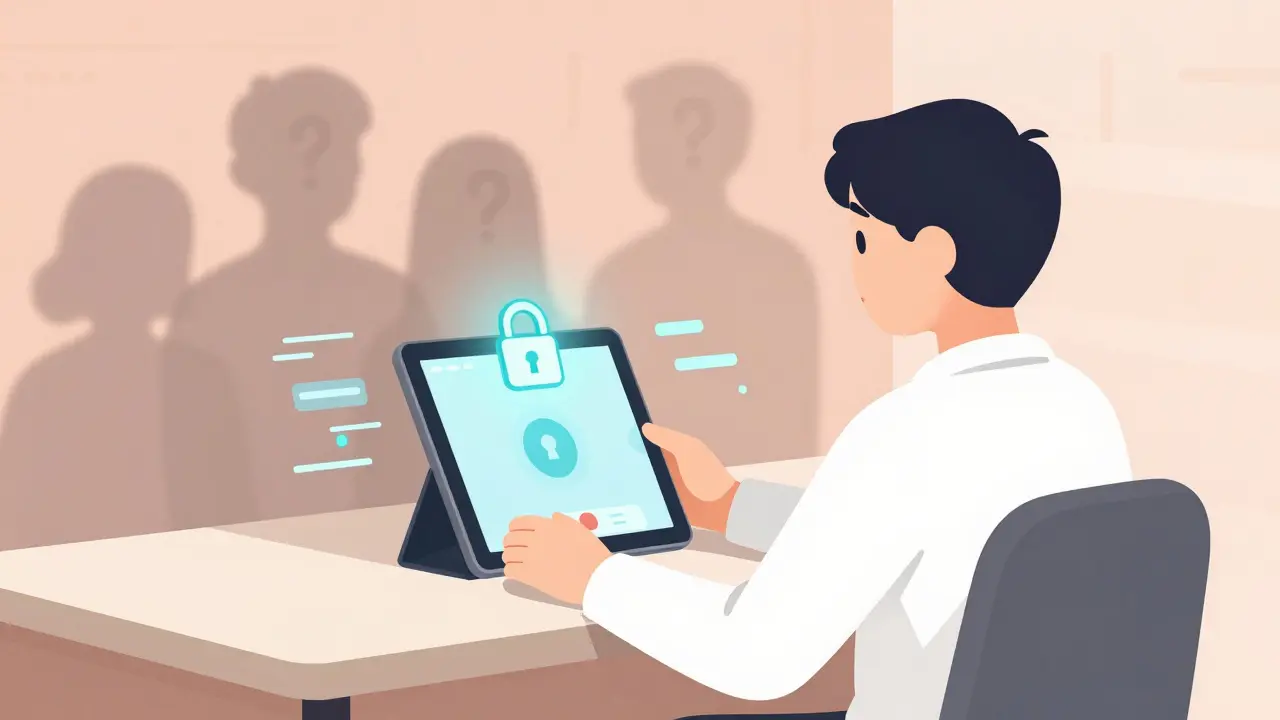
When you talk about your deepest fears, traumas, or secrets in an end-to-end šifrování, metoda, která zajišťuje, že pouze vy a váš terapeut můžete přečíst komunikaci, aniž by ji mohli přečíst třetí strany, včetně poskytovatele služby. This is not just a technical detail—it’s the foundation of safety in online therapy. If your therapist uses a platform without it, your words could be exposed—accidentally or intentionally—to hackers, employees, or even government agencies. In therapy, privacy isn’t a luxury. It’s the air you breathe to feel safe enough to speak.
Most people don’t realize that not all video calls are created equal. Zoom, Teams, or even some Czech telehealth platforms may claim to be "secure," but if they don’t use end-to-end encryption, your session data can be stored, indexed, or leaked. True end-to-end encryption means your words travel directly from your device to your therapist’s—like a locked letter handed hand-to-hand, with no one able to open it along the way. This is why therapists using platforms like Signal, TheraPlatform, or specially configured Jitsi are the ones you should trust with sensitive conversations. And yes, in the Czech Republic, therapists are legally required to protect your data under GDPR—but that only works if their tools actually do the job.
It’s not just about the software. It’s about the důvěrnost v terapii, základní etický princip, který zaručuje, že vše, co řeknete, zůstane mezi vámi a terapeutem, a nebudou ho používat pro jiné účely. If your therapist can’t explain how their system protects your data, or if they push you to use a free app like WhatsApp or Facebook Messenger, walk away. Your mental health is too important to risk on a platform that monetizes your attention—or your trauma.
And don’t forget the human side: even the best encryption means nothing if your therapist doesn’t respect your boundaries. That’s why online terapie, forma psychoterapie, která probíhá přes internet, často pomocí videohovorů, ale vyžaduje stejnou etickou péči jako osobní setkání must come with clear rules—about recording, storage, and what happens if the connection drops. A good therapist will give you a written agreement that includes these details, not just a link to a Terms of Service you’ll never read.
What you’ll find in the posts below are real, practical guides from therapists who’ve seen the consequences of poor digital hygiene. From how to check if your platform is truly encrypted, to what to do if your session gets interrupted, to why even your Wi-Fi password matters—this isn’t theory. It’s what keeps your therapy safe, private, and effective. You don’t need to be a tech expert. You just need to know what to ask.
- Brian Omwaka
- 0
Jak vybrat bezpečnou platformu pro online psychoterapii: Šifrování a soukromí
Zjistěte, jak vybrat bezpečnou platformu pro online psychoterapii s end-to-end šifrováním, GDPR a certifikací ČÚKZP. Porovnání nejbezpečnějších služeb a co se změní v roce 2026.
Číst více