Terapie v cizím jazyce: Kdy pomůže a kdo by jí měl vyzkoušet
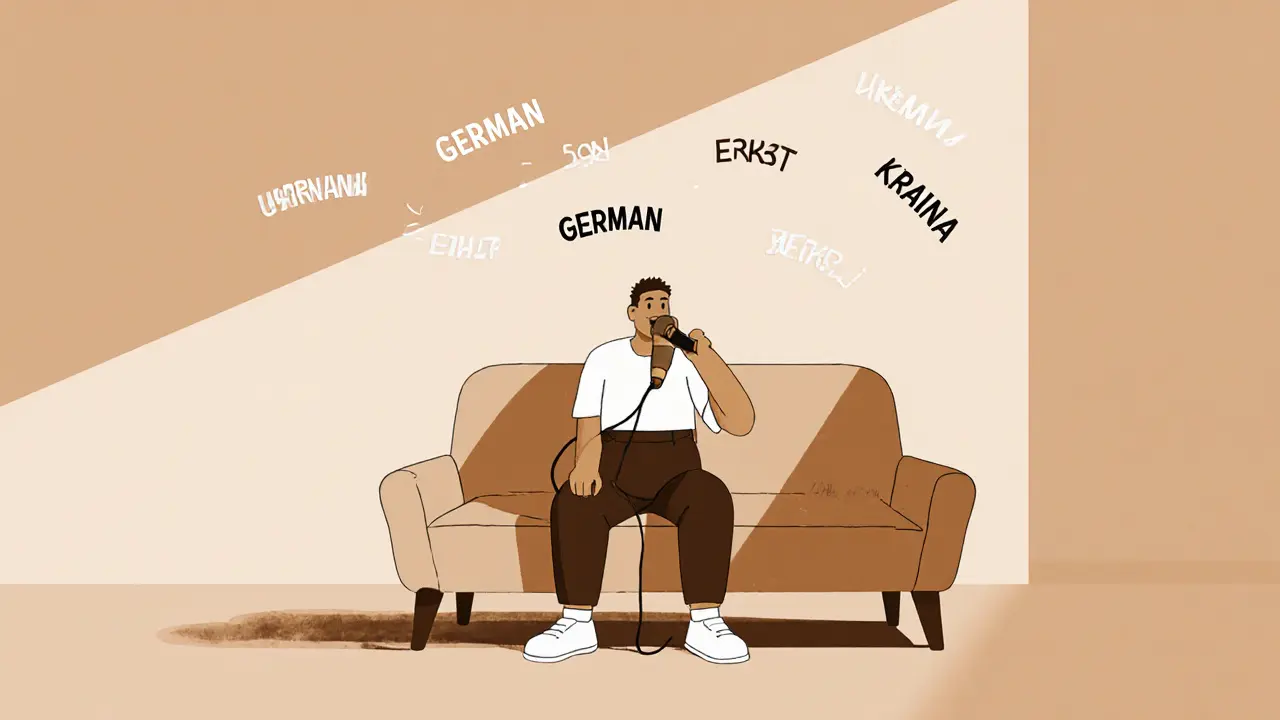
When you speak about your deepest fears in a language that’s not your mother tongue, something shifts. Terapie v cizím jazyce, psychoterapeutická podpora poskytovaná v jazyce, který klient nenaučil jako mateřský, ale ve kterém se cítí více svobodný. Also known as terapie v angličtině, it isn’t about being fluent—it’s about feeling safe enough to say what you really feel. Many people from immigrant backgrounds, expats, or bilinguals find they can talk more openly in English, German, or another language. It’s not because they’re avoiding their roots—it’s because the emotional weight of certain words doesn’t cling to them the same way.
Why does this work? For some, their native language carries memories of criticism, silence, or trauma. A second language can feel like a neutral zone—a space where they’re not the child their parents once were, but just a person trying to heal. Kulturní citlivost, schopnost terapeuta pochopit, jak jazyk, kultura a identita ovlivňují emocionální výraz is not optional here. A good therapist doesn’t just speak the language—they understand how silence, tone, or even humor changes meaning across cultures. This isn’t about translating words. It’s about translating feelings without losing their shape.
And it’s not just for foreigners. Many Czechs who studied abroad, worked internationally, or grew up in multilingual homes also feel more authentic speaking English during therapy. Their thoughts are shaped in that language. Their worries are named in that language. Trying to force them into Czech can feel like wearing shoes two sizes too small.
Co hledat, když hledáte terapeuta v cizím jazyce
Not every therapist who speaks English is right for you. Look for someone who has trained in both psychology and cross-cultural communication. Ask: Do they understand how shame works differently in collectivist vs. individualist cultures? Do they know that saying "I’m fine" in some languages means the opposite? Do they let you pause, stumble, or even switch languages mid-sentence? That’s not a flaw—it’s part of the process.
Terapie v cizím jazyce doesn’t mean avoiding your past. It means finding the clearest path to heal it. Some people cry easier in English. Others finally say "I need help" without feeling like they’re betraying their family. And some just feel less judged when they’re not speaking the language their parents used to yell in.
The posts below show real cases—from teenagers who found their voice in English after bullying, to adults who finally addressed childhood trauma because they could say it without their mother’s voice echoing in their head. You’ll also find stories about therapists who learned to work across languages, and how small adjustments—like allowing code-switching or using visual tools—make therapy stick. This isn’t about language skills. It’s about where your truth feels safest to live.
- Brian Omwaka
- 0
Jazyk terapie: Jak najít psychoterapeuta, který pracuje v angličtině nebo jiném jazyce
Najít psychoterapeuta v angličtině nebo jiném jazyce není jednoduché, ale je možné. Zjistěte, kdy je terapie v cizím jazyce vhodná, jaké jsou ceny, kde hledat a jak poznat skutečně kvalifikovaného terapeuta.
Číst více